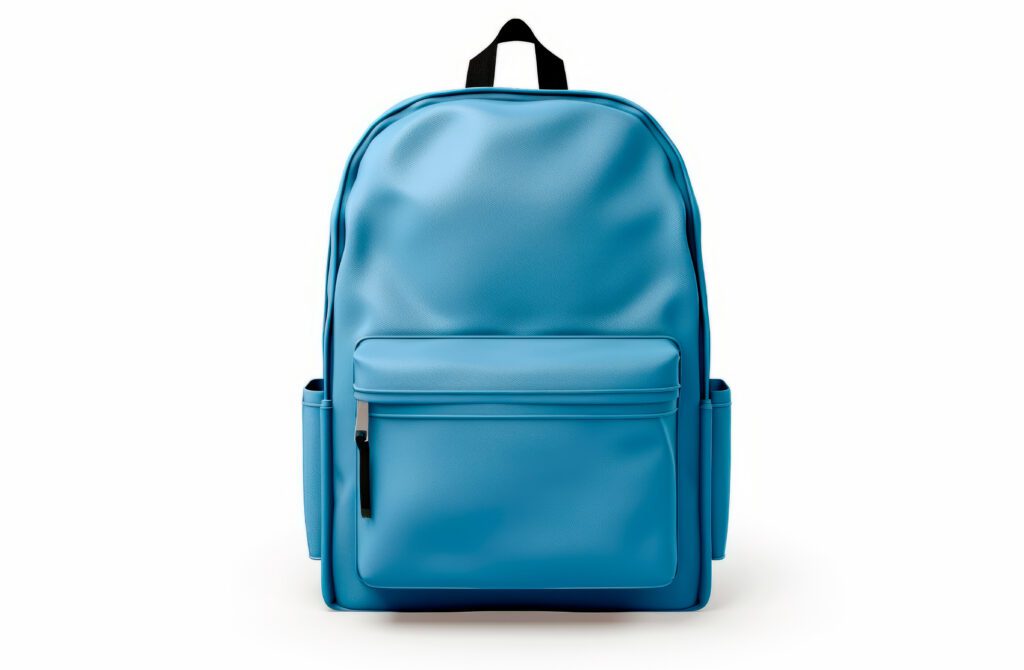

Backpacks have become an essential part of our daily lives, whether for school, travel, work, or outdoor adventures. With countless options on the market, finding the right backpack can be overwhelming. In this guide, we’ll explore the different types of backpacks, key features to consider, and tips for selecting the perfect one for your lifestyle.
a. School Backpacks Designed for students, these backpacks typically feature multiple compartments for organizing books, stationery, and a laptop. Look for padded straps for comfort and durability to withstand daily use.
b. Hiking Backpacks Hiking backpacks are designed for outdoor enthusiasts. They come in various sizes, ranging from day packs to larger backpacks for multi-day treks. Key features include water resistance, ventilation, and external attachment points for gear.
c. Travel Backpacks Travel backpacks are ideal for globetrotters. They often have a large main compartment with multiple access points, organizational pockets, and sometimes even a built-in suitcase-style opening. Features like lockable zippers and anti-theft designs can also be beneficial.
d. Work Backpacks For professionals, a good work backpack combines style with functionality. Look for options that include padded laptop compartments, organizational pockets for documents, and comfortable straps for commuting.
e. Fashion Backpacks Fashion backpacks are all about style. While they may not have the technical features of hiking or travel packs, they offer a trendy aesthetic. These bags often prioritize looks over functionality but can still serve casual everyday needs.
a. Size and Capacity Choose a size that fits your needs. Backpacks are usually measured in liters, with smaller ones (15-30L) for daily use and larger ones (40L+) for travel or hiking.
b. Comfort and Fit Look for padded shoulder straps, a supportive back panel, and a hip belt (for larger packs). A good fit helps distribute weight evenly, reducing strain on your body.
c. Material and Durability Consider materials like nylon or polyester for durability and weather resistance. Water-resistant coatings can also protect your belongings from rain.
d. Organization Pockets and compartments help keep your items organized. Look for backpacks with designated laptop sleeves, water bottle pockets, and zippered compartments.
e. Additional Features Some backpacks offer extra features like hydration reservoirs, reflective materials for visibility, and built-in charging ports. Think about what extras would enhance your experience.
Backpacks are more than just carriers; they’re companions on your journeys, whether academic, professional, or adventurous. By understanding the types, features, and tips for choosing the right backpack, you can find one that fits your lifestyle perfectly. So gear up, pack your essentials, and get ready to hit the road—or the classroom—with confidence!
4o mini